
Teether (2023)
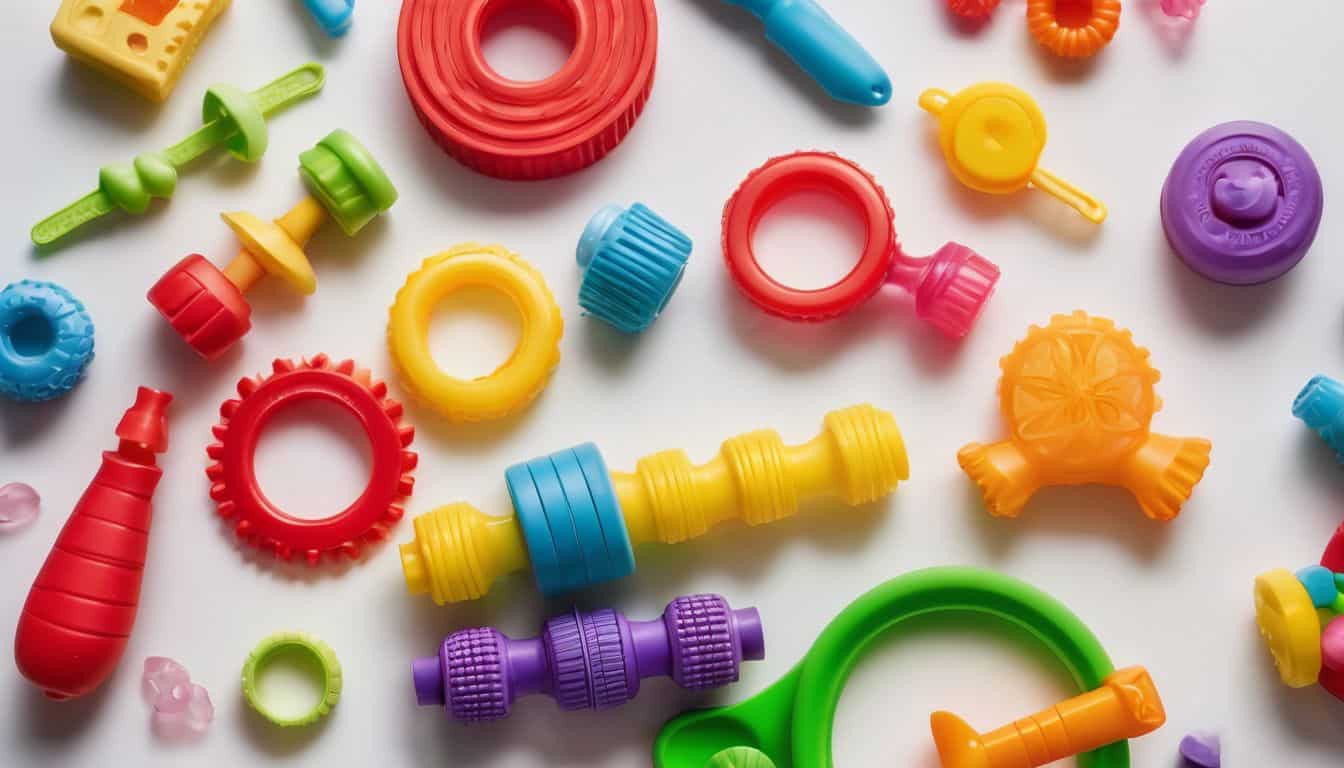
Teether – Is your baby fussing, drooling more than usual and trying to bite everything they can get their hands on? If so, it’s probably teething time! This natural but often painful phase starts between four and seven months, making even the most placid babies irritable.
In this blog post, we’ll explore the wide world of teethers – from silicone to wooden options – discussing their benefits as well as safety precautions. So let’s dive in and find a soothing solution for your little one’s sore gums.
Key Takeaways
- Teething toys are a great way to soothe babies’ sore gums during the teething phase. They provide relief by applying pressure and massaging the gums.
- There are different types of teething toys available, including silicone teethers, textured teethers, water-filled teethers, freezer-safe teethers, and organic teething toys. Each type offers unique benefits and options for parents to choose from.
- Teething toys not only provide relief but also promote sensory exploration and aid in fine motor skills development in babies. They offer different textures and shapes for babies to explore with their mouths and hands.
- Safety is crucial when choosing teething toys. Parents should look for BPA-free and non-toxic materials, inspect the toy for any damage before use, ensure it is age-appropriate, avoid small parts that pose choking hazards, and always supervise their baby while using the teether.
Types of Teether Toys
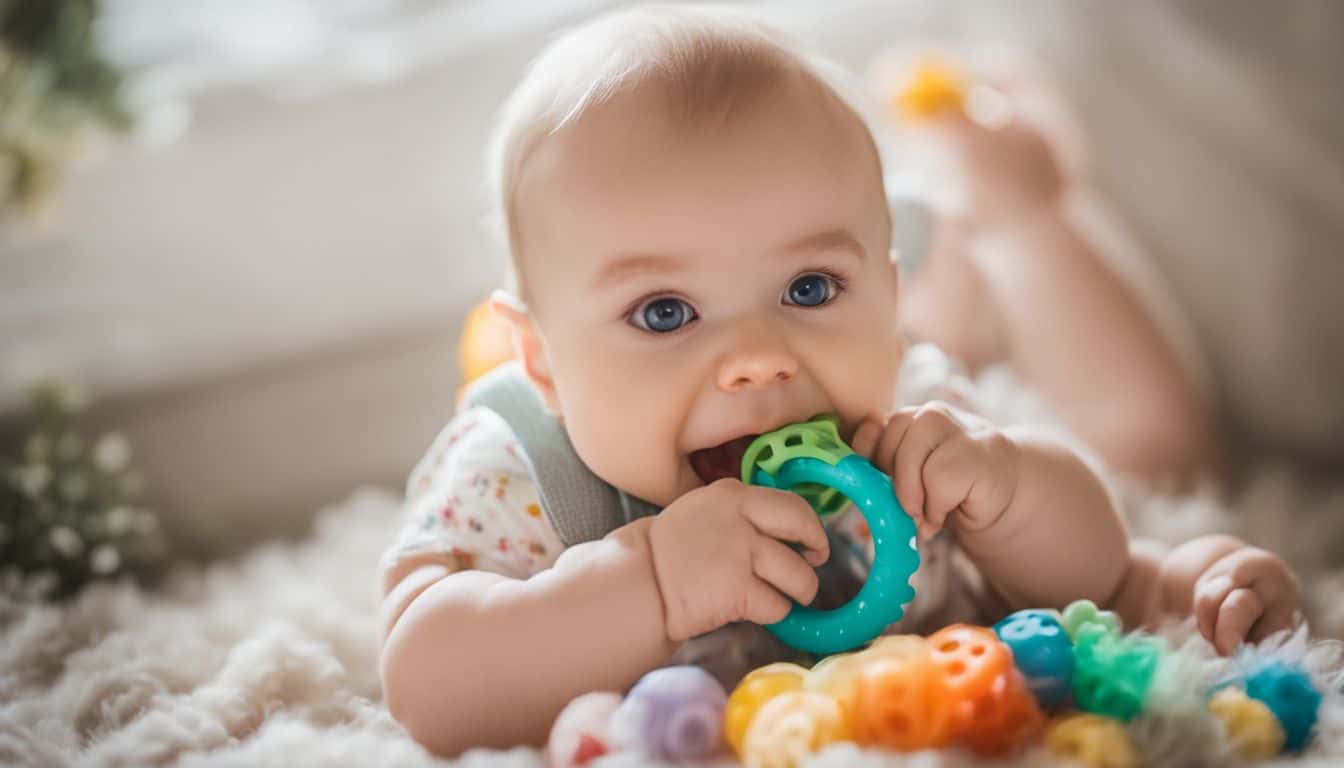
There are various types of teething toys available for babies, including silicone teething toys, textured teethers, water-filled teethers, freezer-safe teethers, and organic teething toys.
Table of Contents
Silicone teething toys
Silicone teething toys are great for babies. They are soft and easy to chew on. These toys can make the gums feel better when new teeth grow in. Babies like how they feel, so they keep chewing on them.
This helps when their gums hurt from teething. The silicone is safe for babies to put in their mouths too! It does not have any bad stuff like BPA in it. Always clean these toys before you give them to your baby though, because dirty things can make your baby sick.
Textured teethers
Textured teethers are a great choice for teething babies. They offer relief and fun at the same time. These teethers have bumps, lumps, or other shapes on them. This helps to soothe sore gums when babies chew on them.
Teething infants love different feels and textures in their little hands and mouths. It’s not just about easing the pain of new teeth coming in but also playing with new things! Only buy textured teethers that are made from safe materials like food-grade silicone or wood to keep your baby safe while they chew and explore.
Water-filled teethers
Water-filled teethers make babies happy. These chew toys hold water inside them. We put them in the fridge to cool. The cold teether soothes your baby’s sore gums when they bite down on it.
This is a big help for teething infants because it gives pain relief from new teeth coming in. Always keep an eye out when your infant is using one though! It can be bad if it breaks and leaks water, so check for damage often.
Freezer-safe teethers
Freezer-safe teethers are a type of teething toy that can be chilled in the freezer before giving them to your baby. The cold temperature helps soothe sore gums and provides relief during teething.
These teethers are typically made from BPA-free and non-toxic materials, ensuring the safety of your baby. By placing them in the freezer, you create a cool sensation that numbs the gums and reduces discomfort.
It’s important to remember to always inspect the teether for any signs of damage before each use to ensure its safety. Freezer-safe teethers can be a great option for providing comfort and relief during this stage of your baby’s development.
Organic teething toys
Organic teething toys are a great option for parents who prefer natural and eco-friendly products for their babies. These teething toys are made from organic materials like wood or natural rubber, which means they don’t contain any harmful chemicals.
Organic teething toys provide a safe and non-toxic option for your baby to chew on during this uncomfortable phase of teething. They are also often free from common allergens like BPA, phthalates, and PVC, making them a healthier choice for your little one.
So if you’re looking for a more natural alternative, organic teething toys can be a great option to soothe your baby’s sore gums while giving you peace of mind about their safety.
Benefits of Teething Toys

Teething toys soothe sore gums, promote sensory exploration, help with fine motor skills development, provide relief during teething, and are easy to clean and maintain.
Soothes sore gums
Teething can be uncomfortable for babies, but teething toys can help soothe their sore gums. The pressure from biting and chewing on a teether provides relief and can alleviate some of the discomfort associated with teething.
Teething toys with different textures are especially effective in massaging the gums and providing comfort. By giving babies something safe to chew on, teething toys become a helpful tool in providing relief during this natural process.
Promotes sensory exploration
Teething toys are not only great for soothing sore gums, but they also promote sensory exploration in babies. The different textures and shapes of teething toys provide a variety of tactile sensations for babies to explore with their mouths and hands.
This helps stimulate their senses and encourages them to engage with the world around them. Additionally, some teething toys come with built-in features like rattles or crinkly fabrics, which further enhance the sensory experience for babies.
By using teething toys, babies can develop their sense of touch and learn about different materials and textures in a safe and playful way.
Teething infants often put everything in their mouths as part of exploring the world around them. Teething toys serve as safe alternatives that allow babies to satisfy this natural inclination while providing relief from gum discomfort.
These toys are designed with various ridges, bumps, or grooves that massage the gums when chewed on, offering temporary pain relief. Furthermore, by manipulating these teethers in their hands and mouth, infants develop fine motor skills necessary for grasping objects later on.
Helps with fine motor skills development
Teething toys not only provide relief for sore gums but also aid in the development of fine motor skills in babies. As infants grasp and manipulate these toys, they learn how to control their hand movements and strengthen their fingers.
This helps improve dexterity and coordination, which are important for tasks like holding a spoon, picking up small objects, and eventually learning to write. So while teething toys soothe discomfort, they also offer an opportunity for babies to enhance their motor skills as they explore and play with these safe and engaging toys.
Provides relief during teething
Teething toys are specifically designed to provide relief during teething. When babies are teething, their gums can become sore and uncomfortable. Teething toys offer a safe and soothing way for babies to alleviate this discomfort.
By biting and chewing on the soft, textured surfaces of these toys, babies can massage their gums and reduce the pain caused by emerging teeth. This helps to distract them from the discomfort and provides temporary relief during this stage of development.
It is important to remember that not all symptoms or behaviors exhibited by a baby are necessarily due to teething but having teething toys on hand can be beneficial when necessary.
Easy to clean and maintain
Teething toys are designed to be easy to clean and maintain. Many teething toys are made from materials like silicone or wood, which can be easily wiped clean with a damp cloth or washed with mild soap and water.
Some teething toys can even be placed in the dishwasher for added convenience. It’s important to keep teething toys clean to prevent the buildup of bacteria and ensure your baby’s health.
By choosing teething toys that are easy to clean, you can provide your baby with a safe and hygienic chewing experience.
Safety Considerations
Ensure that teething toys are made from BPA-free and non-toxic materials, inspect them for any damage before use, and always supervise your baby while they are using the teether.
BPA-free and non-toxic materials
Teething toys should be made from BPA-free and non-toxic materials to ensure the safety of your baby. BPA is a chemical commonly found in plastics that can be harmful to infants. Non-toxic materials, on the other hand, are free from any harmful substances that could potentially harm your baby’s health.
It is important to choose teething toys that are made from these safe materials to minimize the risk of any negative effects on your baby’s development and well-being.
Proper size and shape
Teething toys should be the right size and shape for your baby’s mouth. They should be easy to hold and manipulate, without any small parts that can pose a choking hazard. It’s important to choose teething toys that are age-appropriate for your little one.
As babies grow, their mouths also change, so make sure to regularly check the size and shape of the teether to ensure it remains safe for use. Avoid teething toys with long strings or cords that could potentially get tangled around your baby’s neck or limbs.
Always prioritize safety when selecting teething toys for your little one.
——————————————————
The size and shape of teething toys matter as they need to fit comfortably in a baby’s mouth. Teething toys should be designed with rounded edges and no sharp corners to prevent any harm while chewing on them.
Inspect for damage
Check the teething toy regularly for any signs of damage. Look for cracks, breaks, or loose parts that could pose a choking hazard. Make sure the toy is still in good condition and hasn’t become worn out.
If you notice any damage, it’s important to replace the teething toy right away to ensure your baby’s safety.
Supervision during use
It’s important to supervise your baby while they are using teething toys. Keep an eye on them to make sure they don’t put the toy too far into their mouth or bite off small pieces that could be a choking hazard.
Regularly check the teether for any signs of damage, such as cracks or breaks, and replace it if necessary. By supervising your baby during teething toy playtime, you can ensure their safety and provide peace of mind.
Choosing the Right Teething Toy
Consider age-appropriate options, personal preferences, and reviews/recommendations to find the perfect teething toy for your little one – read on to discover more!
Age-appropriate options
When choosing a teething toy for your baby, it’s important to consider their age. Here are some age-appropriate options:
- For babies under 3 months old:
- Teething mittens that can be secured to their hand
- Soft silicone teethers with gentle textures
- For babies 3-6 months old:
- Silicone teething toys with different shapes and textures
- Teething rings made from safe materials like food – grade silicone or wood
- For babies 6-12 months old:
- Water – filled teethers for cooling relief
- Textured teethers with different surfaces to explore
Personal preferences
When choosing a teething toy for your baby, it’s important to consider personal preferences. Every baby is different, so what works for one may not work for another. Some babies may prefer soft silicone teething toys, while others might enjoy the texture of wooden teethers.
It’s also a good idea to read reviews and recommendations from other parents to get an idea of what has worked well for their little ones. Additionally, considering factors such as ease of cleaning, durability, and longevity can help you find the right teething toy that meets your personal preferences and ensures your baby gets the relief they need during this milestone.
Reviews and recommendations
When looking for a teething toy, it’s helpful to read reviews and recommendations from other parents. They can provide valuable insights about the effectiveness, durability, and safety of different teething toys.
Look for options that have received positive feedback regarding their ability to soothe sore gums, promote sensory exploration, and aid in fine motor skills development. Consider factors like ease of cleaning and longevity before making your final decision.
Ease of cleaning
Teething toys are designed to be easy to clean. Most teething toys can be washed with warm soapy water or placed in the dishwasher for convenient cleaning. It’s important to choose teething toys that have a smooth surface and minimal crevices, making them easier to sanitize.
Regularly cleaning teething toys helps keep them free from germs and ensures they’re safe for your baby’s use. Remember, babies explore with their mouths, so keeping their teething toys clean is essential for their health and well-being.
Durability and longevity
Teething toys should be durable and long-lasting to withstand the chewing and biting of infants. Look for teething toys made from sturdy materials like food-grade silicone or wood that won’t easily break or wear down.
This will ensure that they can provide relief during the entire teething process without needing frequent replacements. It’s also important to inspect the teething toy regularly for any signs of damage, such as cracks or loose parts, which could pose a choking hazard.
By choosing a durable and long-lasting teething toy, you can have peace of mind knowing that it will safely soothe your baby’s sore gums throughout their teething journey.
Conclusion
Teething can be a challenging time for both babies and parents. Thankfully, teething toys provide relief and comfort during this stage. From silicone teethers to textured options, there are various types to choose from.
It’s important to prioritize safety and choose age-appropriate options that are easy to clean and durable. With the right teether, babies can soothe their sore gums while exploring their senses and developing fine motor skills.
So, go ahead and find the perfect teething toy for your little one!
FAQs
1. What is a teether?
A teether is a toy designed to help soothe and massage a baby’s gums during the teething process.
2. At what age can I introduce a teether to my baby?
You can introduce a teether to your baby as early as 3 months old when they start showing signs of discomfort from teething.
3. How do teethers work?
Teethers usually have textured surfaces that babies can chew on, providing relief to their sore gums and helping them through the teething process.
4. Are teethers safe for babies?
Yes, teethers are generally safe for babies when used according to the manufacturer’s instructions. However, it’s important to regularly inspect teethers for any signs of wear or damage and replace them if necessary.
Table of Contents
